
Can Pilates Help You Stay Strong Through Menopause?
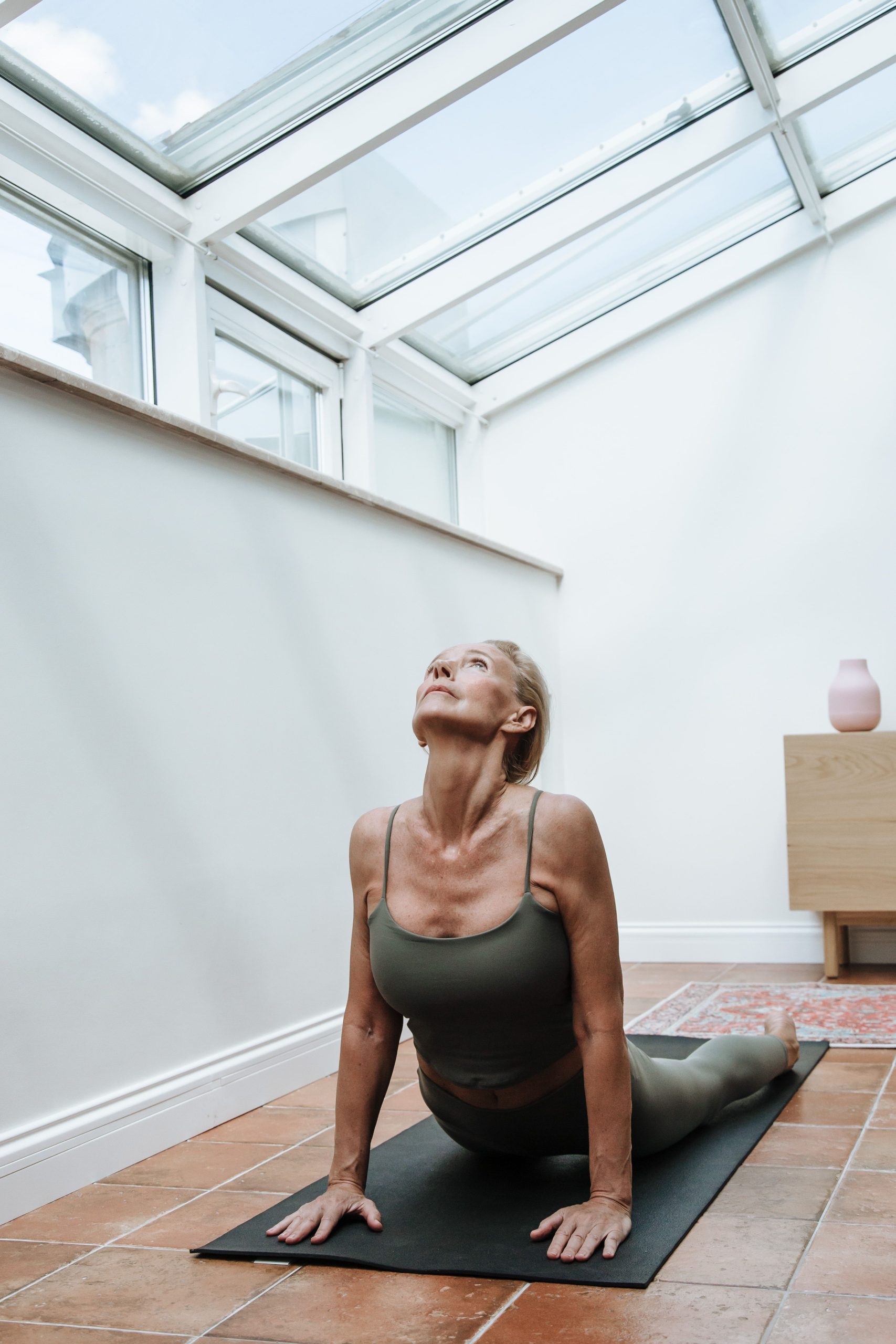
Perhaps exercises that once felt straightforward suddenly feel harder. You may be noticing changes in your strength, stiffness after sitting, or simply that you do not feel quite as confident exercising as you used to.
Perimenopause and menopause can bring a wide range of changes, and movement cannot address every symptom. But staying active is an important part of looking after your health during this stage of life.
So, can Pilates help you stay strong through menopause?
Pilates can be one useful part of a varied exercise routine, particularly for developing strength, control, balance and mobility. But it is also important to understand where other types of exercise, including resistance and weight-bearing activity, fit in.
Why does staying strong through menopause matter?
During and after menopause, falling oestrogen levels can affect bone health. The NHS notes that osteoporosis becomes more common after menopause and recommends regular exercise to support bones and muscles.
Maintaining muscle strength matters too.
Strength helps with everything from climbing stairs and carrying shopping to continuing with sports and activities you enjoy. Exercises that improve strength, balance and coordination can also help us maintain physical capability as we get older.
The aim does not need to be becoming stronger than you have ever been. For many people, it is about maintaining the confidence and physical capacity to keep doing everyday things comfortably.
Can Pilates help you stay strong through menopause?
Pilates uses controlled movements to challenge the body in different ways.
Depending on the exercises and equipment used, a session may work your legs, hips, back, abdominal muscles, shoulders and arms while also asking you to control your position and movement.
This can make Pilates useful for working on several areas at once.
Strength and control
Pilates exercises can use your body weight, springs or other forms of resistance to challenge your muscles.
Exercises can also be progressed gradually. Something may begin with a small, controlled movement and later develop into a more demanding version as your strength and confidence improve.
This ability to adapt exercises is particularly useful if you are returning to activity or have not exercised regularly for a while.
Balance
Balance can sometimes get overlooked when we think about fitness.
Pilates frequently involves controlling your body as you change position, move your limbs independently or work with a smaller base of support.
Developing leg strength, balance and coordination is valuable as we age, with NHS guidance highlighting these areas as important for maintaining strength and helping to reduce falls risk.
Mobility
Feeling stiff can make exercise less appealing, particularly when you are already dealing with disrupted sleep, fatigue or other menopause symptoms.
Pilates incorporates movement through different ranges rather than focusing solely on stretching.
For some people, regularly moving their spine, hips and shoulders in a controlled environment can help them feel more comfortable and confident with movement.
What about bone health?
This is an important distinction.
Pilates can contribute to an active lifestyle and may include strengthening and weight-bearing exercises, but it should not automatically be viewed as a complete bone-health programme.
The NHS specifically recommends regular weight-bearing and resistance exercise to support bone health. Examples of weight-bearing activities include walking, running and dancing, while resistance training might involve weights, resistance bands or other exercises that make your muscles work against resistance.
Adults are also advised to undertake muscle-strengthening activity on at least two days each week.
For many people, therefore, the most useful approach will involve a combination of activities rather than relying on Pilates alone.
That might mean Pilates alongside brisk walking and appropriate resistance training, for example.
What if you have not exercised for a while?
You do not need to be flexible, strong or experienced before starting Pilates.
In fact, beginning at an appropriate level can be much more useful than choosing a class that leaves you struggling to keep up.
A Pilates teacher can adapt exercises and gradually change the challenge as you become more confident.
If menopause symptoms have interrupted your normal routine, give yourself permission to build back up. Regular, manageable exercise is generally more useful than repeatedly doing too much and then needing a long break.
What if you already have osteoporosis?
If you have osteoporosis, osteopenia, a history of fractures or another health condition affecting your bones, it is sensible to get individual advice before starting a new exercise programme.
The NHS recommends speaking to your GP or another healthcare professional if you have been diagnosed with osteoporosis and are considering a new exercise programme.
Your Pilates teacher should also know about any relevant health conditions so exercises can be adapted where appropriate.
New, unexplained or persistent pain should not simply be attributed to menopause. Seek medical advice for symptoms that are severe, worsening, persistent, follow significant trauma or are accompanied by unexplained weakness, numbness or other concerning changes.
Finding movement that works for you
One of the most important things about exercise during menopause is finding something you can realistically continue.
Pilates may appeal if you prefer structured, controlled exercise or want to develop your confidence before progressing to other forms of activity.
At The Octagon Clinic, Pilates can be tailored to different levels of experience and ability, helping you work on strength, balance, mobility and movement control at an appropriate pace.
It does not need to be the only exercise you do. Instead, it can form part of a varied routine that includes resistance and weight-bearing activity to support your health through menopause and beyond.
If you are unsure where to begin, speak to The Octagon Clinic team about which Pilates option may be appropriate for you.
DISCOVER PILATES AT THE OCTAGON →
Sources
- NHS: Things you can do to help menopause and perimenopause symptoms
- NHS: Osteoporosis prevention
- NHS: How to improve your strength and flexibility
- NHS: Benefits and risks of HRT


