
Prehab: Could Preparing Before Surgery Support Your Recovery?
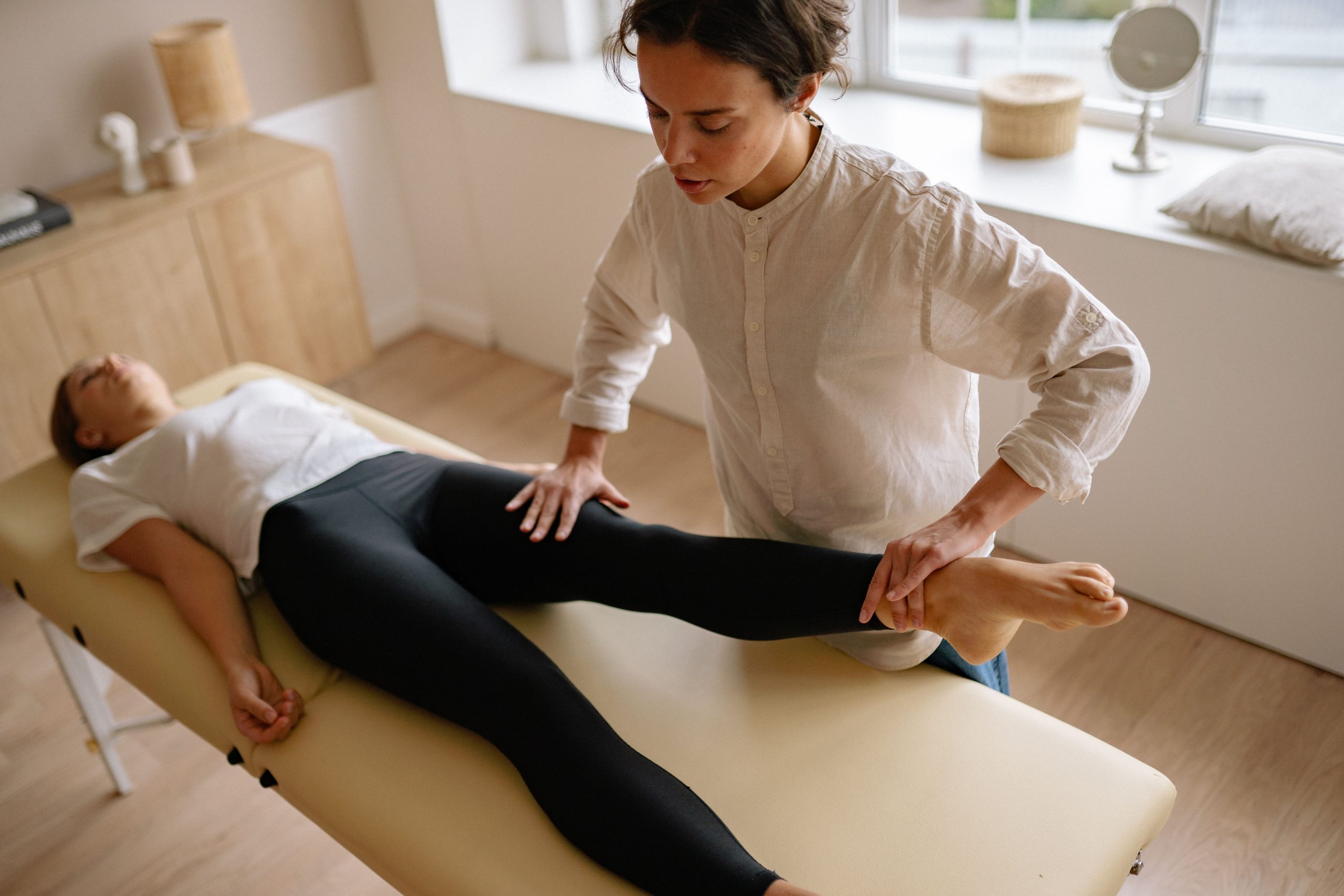
When you are waiting for knee, hip or shoulder surgery, it is natural for most of your attention to be on the operation itself.
You may be thinking about the hospital stay, how long you will need off work and what you will or will not be able to do afterwards.
But recovery does not necessarily begin on the day of surgery. There may be useful steps you can take beforehand to prepare your body, understand what to expect and feel more confident about the rehabilitation ahead.
This preparation is often called prehabilitation, or prehab.
What Is Prehab?
Prehab is the process of preparing physically and mentally for an operation.
For planned orthopaedic surgery, this may include exercises to maintain or develop strength, mobility, balance and general fitness. It can also involve learning the exercises you are likely to use afterwards and making practical plans for your return home.
Prehab is not about “fixing” the joint before surgery or pushing through significant pain. It does not guarantee a particular surgical outcome.
Instead, the aim is to help you approach surgery from the strongest and most informed starting point that is appropriate for you.
Why Can Strength and Movement Change Before Surgery?
By the time surgery is planned, you may already have spent months changing how you move because of pain, stiffness or instability.
You might be:
- Walking shorter distances
- Avoiding stairs
- Using one side more than the other
- Struggling to rise from a low chair
- Reducing exercise or hobbies
- Avoiding lifting or reaching with one arm
- Feeling less steady or confident
Over time, these changes may affect the strength and endurance of the muscles surrounding the joint. General fitness may also reduce if pain has made it difficult to remain active.
A physiotherapist can help you identify which areas may be useful to work on without unnecessarily aggravating your symptoms.
What Might Prehab Include?
The details will depend on your operation, current health and the instructions given by your surgical team.
Before knee or hip surgery, a programme may include:
- Strengthening the muscles around the hip, thigh and lower leg
- Maintaining a comfortable range of joint movement
- Practising sitting down and standing up
- Working on walking, balance or stair control
- Learning how to use crutches or another walking aid
- Preparing for the exercises used after surgery
Before shoulder surgery, the focus may be different. It could include maintaining appropriate shoulder movement, working on the shoulder blade and surrounding muscles, and keeping the elbow, wrist and hand mobile.
You may also need to think about how you will manage everyday tasks while one arm is restricted following surgery. This could include dressing, preparing food or arranging frequently used items within easier reach.
Exercise recommendations should always reflect the particular procedure and any restrictions set by your consultant. A programme suitable for one operation may be inappropriate for another.
Prehab Is More Than Exercise
Preparing for surgery can also involve:
- Understanding what will happen before and after the procedure
- Planning for help with shopping, meals or household tasks
- Moving frequently used items to an accessible height
- Arranging transport and time away from work
- Eating a balanced diet
- Following advice about smoking and alcohol
- Managing other health conditions as directed by your medical team
- Preparing questions for your consultant or preoperative assessment
These practical steps may help the early stages after surgery feel less overwhelming.
How Physiotherapy May Help
A physiotherapist can assess your current strength, mobility and everyday function before helping you develop an appropriate programme.
At The Octagon Clinic, pre-surgical physiotherapy would begin with understanding your planned procedure, symptoms and the guidance already provided by your hospital team. Your physiotherapist can then tailor exercises to your present ability and explain how to progress them safely.
The aim is not to exhaust you before surgery. It is to find a manageable level of activity that helps you prepare without creating an unnecessary flare-up.
Prehab may also give you the chance to practise exercises and ask questions while you are not yet dealing with the immediate effects of an operation. This can make the rehabilitation process feel more familiar afterwards.
When Should You Begin?
If surgery has been recommended, ask your consultant or hospital team whether there are exercises or restrictions specific to your procedure.
You do not need to wait until the week before your operation to discuss prehab. However, it is also not too late to ask for guidance if your surgery is approaching. The available programme can be adapted to the time you have and what you can comfortably manage.
Prehab does not replace the rehabilitation required after surgery. It should form part of a wider plan directed by your surgical and healthcare teams.
Stop exercising and seek medical advice if you develop chest pain, dizziness, an irregular heartbeat, sudden breathlessness or another new symptom that concerns you. Contact your physiotherapist or surgical team if an exercise causes intense, increasing or persistent pain.
Sources
- NHS: Preparing for a hip replacement
- Royal College of Anaesthetists: Preparing for surgery
- Cambridge University Hospitals: Preparing yourself for surgery
- Royal United Hospitals Bath: Prehabilitation for hip replacement surgery
- Frimley Health NHS Foundation Trust: Preparing for shoulder surgery
